




Housing mix
Grand Rapids, MI housing supply, ownership, and rent
What the latest ACS housing mix can and cannot tell buyers and renters comparing options in Grand Rapids, MI.
Source: U.S. Census Bureau

Last updated . Article facts reviewed through this date. Time-sensitive figures show their own as-of dates.
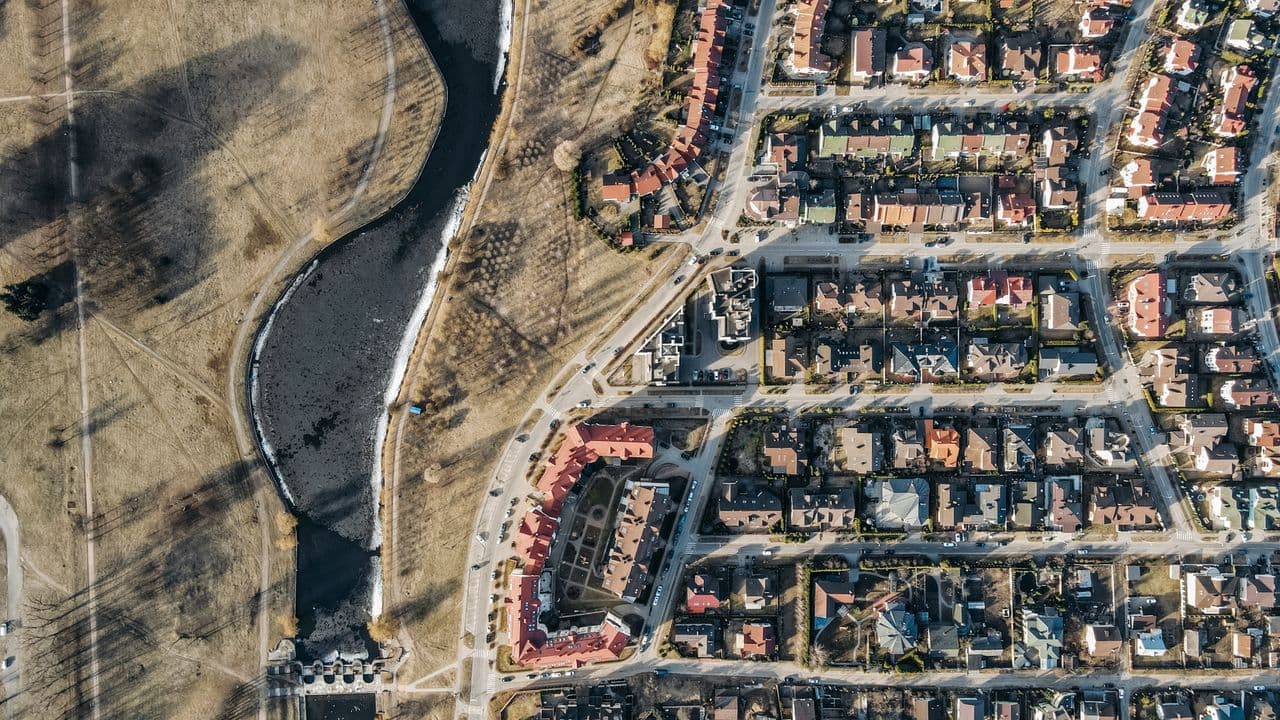
The local figures answer the first question: Grand Rapids, MI's current ACS housing baseline includes 84,894 total housing units, 80,222 occupied units, and 4,672 vacant units. For the decision at hand, those counts can help a borrower establish the scale of the measured housing base before comparing tenure, rent, current listings, property condition, and financing. The figures describe stock across the survey period; they do not say that 4,672 homes were listed for sale or available to rent at one moment. In practical terms, reading 84,894 total units with 80,222 occupied and 4,672 vacant units keeps the release internally grounded while leaving live availability to current listing and property evidence.
A grounded Grand Rapids, MI comparison starts with current listings and lease offers, then uses the ACS evidence to check whether the sample is being interpreted in the context of 84,894 total units, a vacancy share of 5.5%, and an owner share of 54.0%. For the rental budget, replace the $1,266 median with the actual lease, utilities, deposits, and expected changes. For ownership, keep the 54.0% share as market context while adding the selected property's price, taxes, insurance, maintenance, association obligations, loan disclosures, and cash-to-close. The resulting worksheet will not turn 46.0% or 54.0% into a recommendation, but it will keep the two paths comparable and make the remaining assumptions visible before a decision.